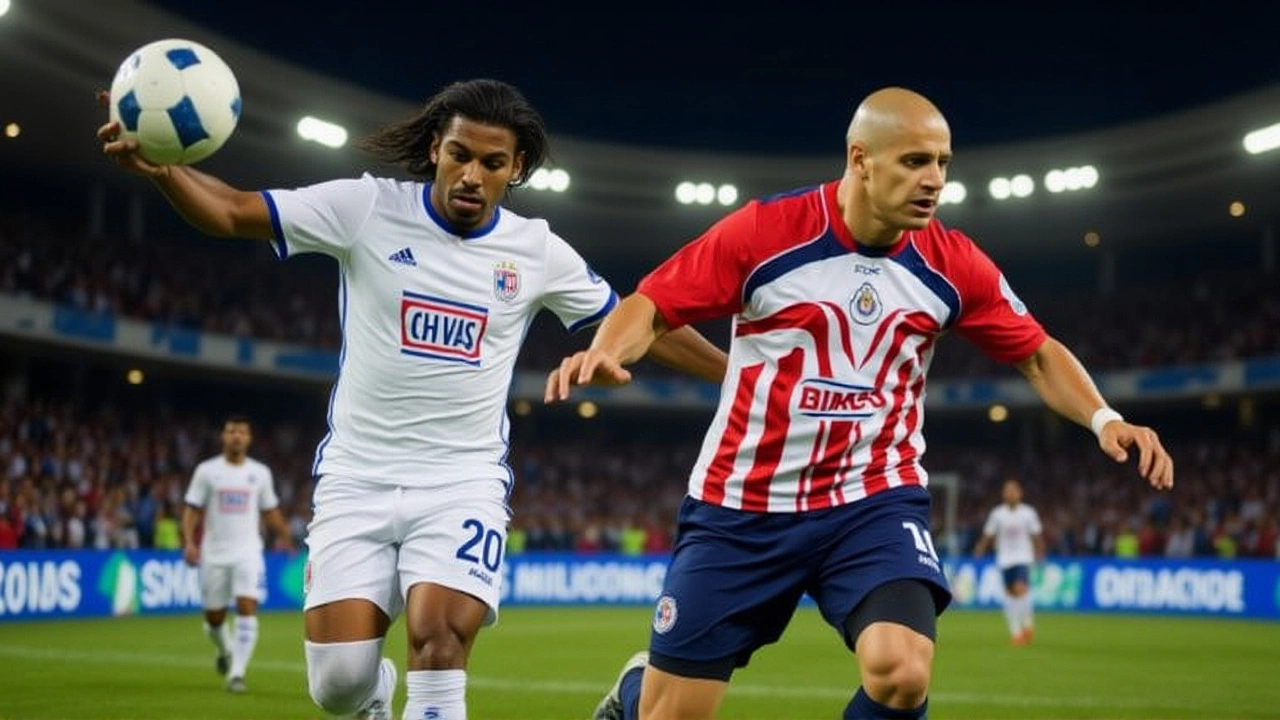
When Cruz Azul held Chivas to a 0-0 draw at Estadio Akron on November 28, 2025, it wasn’t just a result—it was a statement. The Argentine coach Nicolás Larcamón, leading Cruz Azul through one of Mexican football’s most brutal rivalries, walked out of Guadalajara with a smile, not because his team dominated, but because they survived. "Chivas was strong here," he said in his post-match presser, just after midnight local time. "We managed to bring that result for the second match of the series." And in the high-stakes world of Liga MX playoffs, that’s often enough. The match, part of the Apertura Playoffs’ first leg, ended in confusion. SoyFutbol.com reported a 1-1 draw, while FMF State of Mind and Sofascore insisted it was 0-0. Fox Sports even listed the game as occurring on November 27. But the real story wasn’t the score—it was the tension. The crowd at Estadio Akron, packed with 49,850 roaring Chivas fans, expected blood. Instead, they got grit. Cruz Azul, known as Los Cementeros for their blue-and-white cement-worker roots, absorbed wave after wave of pressure. They didn’t dazzle. They endured.
Defensive Discipline Over Flash
Larcamón didn’t hide his pride in his backline. "Key saves and solidity in the backline were fundamental," he said. Goalkeeper Alfredo Talavera, though not mentioned in the stats, made two critical stops in the 32nd and 75th minutes, turning away long-range efforts from Chivas’ Alan Pulido and Jonathan Rodríguez. The defense, anchored by veteran Carlos Salcedo, held firm despite 14 shots from Chivas and five corner kicks. Even when José Márquez was booked for a late foul in the 93rd minute, Cruz Azul didn’t panic. They didn’t need to. The first half was messy—passing errors, misplaced crosses, a flurry of fouls. Walter Ditta (70') and Luis Romo (66') were both cautioned, and Ángel Sepúlveda was replaced at halftime by Germán Fernández, a tactical switch that stabilized the midfield. "The first half was more erratic," Larcamón admitted. "But we never lost shape. That’s the foundation we built over months."Second-Half Turnaround
Then came the 62nd minute. Sergio Sandoval replaced Andrés González—a quiet sub, but a crucial one. Suddenly, Cruz Azul started moving the ball with purpose. By the 78th, Jonathan Hernández had entered for Enrique Álvarez, injecting pace down the left. And at 84’, Ángel Mozo came on for Bryan González, adding width. The substitutions weren’t flashy, but they were surgical. By the 80th minute, Cruz Azul had controlled 57% of possession, compared to just 38% in the first half. "We started to flow better with the ball," Larcamón noted. "That’s when you know you’re starting to play like a team, not just a collection of players." It wasn’t pretty. But it was effective.The Rivalry That Never Sleeps
This wasn’t just another playoff game. It was Chivas (founded 1906) versus Cruz Azul (founded 1927)—two institutions with decades of hatred, pride, and history. Chivas fans see themselves as Mexico’s "people’s team," while Cruz Azul carries the identity of the working class, the unionized, the underestimated. Their meetings are emotional, physical, and often brutal. The last time they met in the playoffs, in 2021, Cruz Azul won on away goals after a 2-2 aggregate. That memory still haunts Guadalajara. And now, with the return leg at Estadio de Ciudad Universitaria in Mexico City, Cruz Azul holds the upper hand—not because they scored, but because they didn’t concede.What’s Next? The Home Advantage
The away goals rule is gone in Liga MX playoffs since 2023. Now, it’s pure aggregate. If it’s 0-0 again in Mexico City, we go to extra time. And if it’s still tied? Penalties. "We still have a second match, extremely tough," Larcamón warned. "The job isn’t finished." He’s right. Chivas will come out swinging at Ciudad Universitaria. They’ll need to score. And they’ll know Cruz Azul will sit deep, wait, and strike on counters. Cruz Azul’s players, meanwhile, are already mentally preparing. "We know what this means," said midfielder Manuel Bogusz, who came on at 67’. "This is why we joined this club. Not for the money. For the legacy."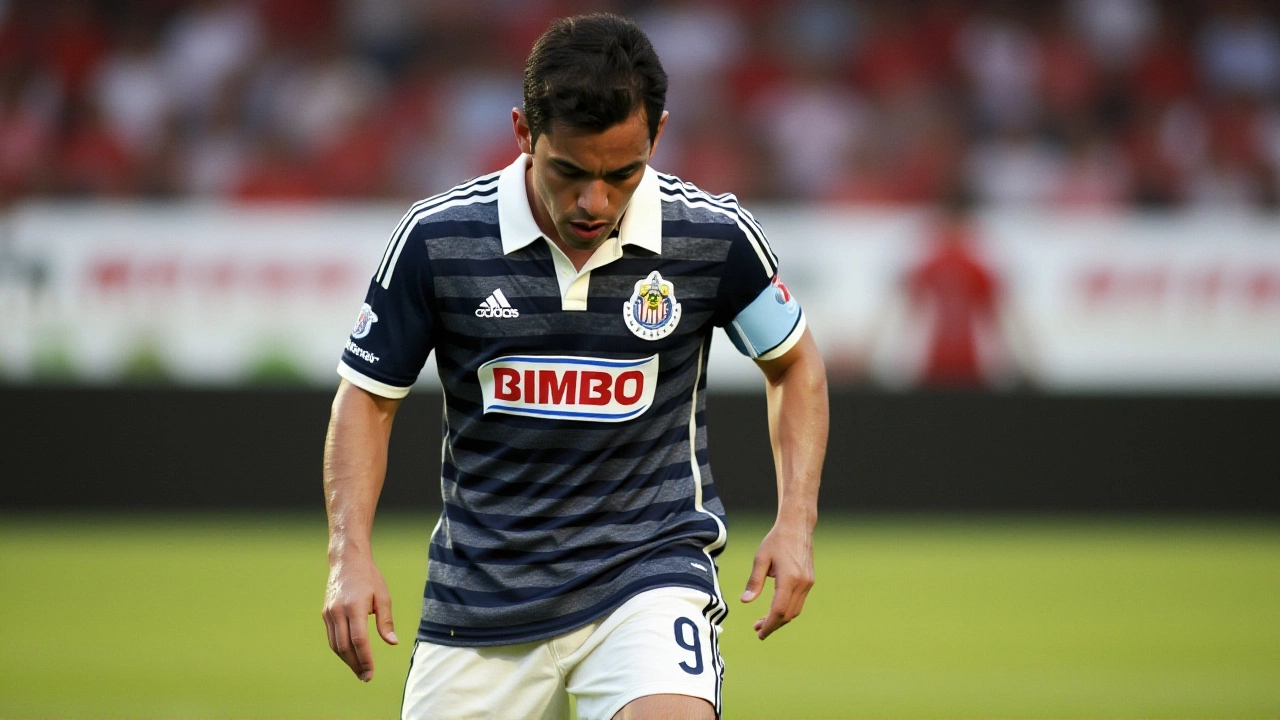
Why This Matters
For Mexican football, this series is a barometer. Chivas is trying to reclaim its glory days. Cruz Azul, despite winning the 2021 Clausura, hasn’t lifted a trophy since 2014. Both teams are desperate. And with the Semifinals on the line, every tackle, every substitution, every minute of extra time carries weight. The winner will face either Tigres UANL or Club América—two giants. But first, they must survive each other.Behind the Scenes: The Numbers
- Chivas: 14 shots, 5 corners, 38% possession in first half
- Cruz Azul: 7 shots, 2 corners, 57% possession in second half
- 11 substitutions made across both teams
- 5 yellow cards issued
- Estadio Akron attendance: 49,850 (sold out)
- Return leg: December 5, 2025, Estadio de Ciudad Universitaria, Mexico City
For Cruz Azul, the goal isn’t just to advance. It’s to prove they’re more than just a team that survives. It’s to show they can win when it counts. And Larcamón knows: they haven’t hit their peak yet.
Frequently Asked Questions
Why does a 0-0 draw favor Cruz Azul in this playoff series?
Since the away goals rule was eliminated in Liga MX playoffs in 2023, the winner is decided purely by aggregate score. Cruz Azul drew 0-0 at Chivas’ home ground, meaning they now only need a draw or win at their own stadium to advance. Chivas, by contrast, must score at least one goal in Mexico City to avoid elimination. That puts psychological pressure squarely on the home team.
What’s the significance of Estadio de Ciudad Universitaria for Cruz Azul?
Cruz Azul’s home, located on the campus of the National Autonomous University of Mexico, is one of the most intimidating venues in Liga MX. With a capacity of 35,000 and a history of raucous, loyal fans, it’s where Cruz Azul has won 70% of their home playoff games since 2010. The pitch’s unique clay surface also favors their possession-based style, giving them a tactical edge over teams used to harder, faster fields like Estadio Akron.
How has Nicolás Larcamón changed Cruz Azul’s playing style this season?
Larcamón, who took over in 2024, shifted Cruz Azul from a high-pressing, attack-heavy system to a more structured, counter-attacking model. This season, they’ve conceded just 18 goals in 17 regular-season games—the best defensive record in Liga MX. His substitutions in the Chivas match—bringing on Bogusz and Sandoval—were textbook: adding control without sacrificing discipline. He’s turned them into a team that wins by being hard to beat.
What’s the historical record between Chivas and Cruz Azul in playoffs?
Since 1990, the two teams have met in the playoffs six times. Cruz Azul has won three series, Chivas two, and one ended in a draw (2008). Cruz Azul has advanced in four of those six matchups, including the dramatic 2021 quarterfinal where they won on away goals after a 2-2 aggregate. Chivas hasn’t beaten Cruz Azul in a playoff series since 2004—a 21-year drought that weighs heavily on their fans.
Could this match go to penalties in the second leg?
Absolutely. If the second leg ends 0-0 again, the match goes to 30 minutes of extra time. If still tied, it proceeds to penalties. Cruz Azul has a strong record in shootouts, winning four of their last five since 2018. Chivas, however, has lost three of their last four—most recently in the 2023 Clausura quarterfinals. That’s not just a statistic; it’s a mental hurdle.
What’s at stake beyond the Semifinals?
The winner of this series will face either Tigres or América in the Semifinals—and the ultimate prize is a spot in the Liga MX Final. But beyond trophies, there’s legacy. For Cruz Azul, it’s a chance to end their decade-long title drought. For Chivas, it’s about proving they’re still Mexico’s most popular club. Both teams have massive fanbases, TV deals, and sponsorship stakes riding on this. A loss could cost coaches their jobs, alter transfer strategies, and shake fan confidence for years.
Write a comment