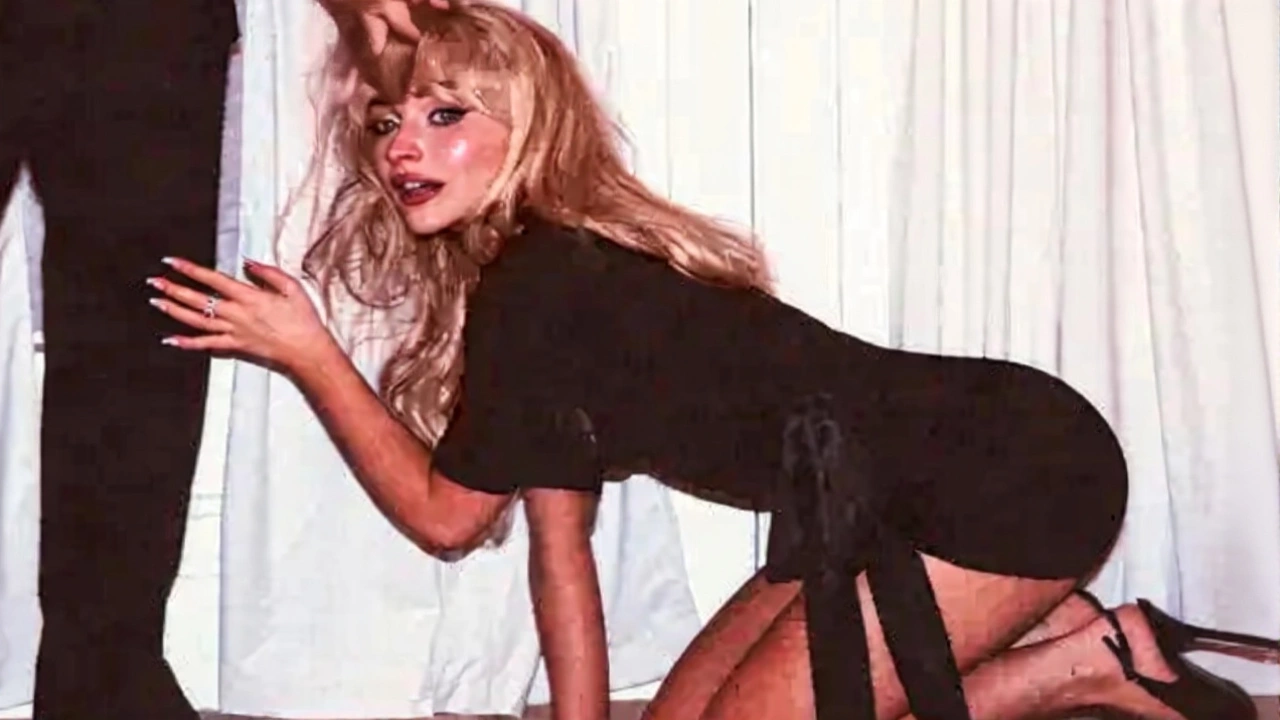
When Sabrina Carpenter, the 26‑year‑old former Disney star, unveiled the cover art for her seventh studio album Man’s Best Friend, the internet erupted.
The image—Carpenter on her hands and knees in a black minidress while a hand grasps her hair—went live on Instagram on June 11, 2025, just six days after the record itself dropped on June 5, 2025. Critics called it regressive; supporters hailed it as a bold statement on control and consent. The clash has turned the album into a flashpoint for discussions about feminism, sexual autonomy, and the power of pop culture to shape public discourse.
Below, we trace the controversy’s origins, lay out the reactions from advocacy groups and fans, and explore why this musical release matters far beyond the charts.
Background: From Disney to Provocative Pop
Carpenter first won the hearts of pre‑teens as a Disney Channel regular back in 2014. Over the past decade, she has steadily shed the squeaky‑clean image, releasing hits like “Skin” and “Naked.” Her latest album marks a stylistic pivot, blending country‑pop twangs with glossy R‑B layers—a sound she describes as “finding my footing beyond the Disney mold.”
Industry analysts note that such genre‑bending moves are not uncommon for artists seeking longevity. A 2023 Billboard report showed that 42 % of pop stars who transitioned to a more mature sound saw a 15 % bump in streaming numbers within the first quarter.
Album Details and the Provocative Artwork
The record, titled Man’s Best Friend, drops a total of ten tracks, with the lead single “Manchild” setting the tone. Other notable songs include “Never Getting Laid,” “Nobody’s Son,” and “Sugar Talking,” each using cheeky wordplay to dissect modern dating woes.
The cover art, shot by photographer Jenna Voss, was meant to illustrate the album’s central theme: the paradox of wanting control in a relationship while feeling powerless.
In a brief Instagram caption, Carpenter wrote, “Being in on the control, being in on the lack of control—when you want to be in control.” The phrasing, cryptic as it is, sparked immediate speculation about whether she was mocking, endorsing, or critiquing the very dynamics she depicts.
Immediate Backlash from Advocacy Groups
The first public condemnation came from Glasgow Women’s Aid, which called the image “regressive” and “promoting an element of violence and control.” Their spokesperson, Heather Binning of the Women’s Rights Network, added, “Violence against women should never be used as satire; it grooms girls to believe that submission is sexy.”
Both groups released statements on June 12, urging fans to consider the broader cultural impact of normalizing such imagery. Their criticism aligns with a 2022 study from the University of Edinburgh that found visual depictions of non‑consensual scenarios in media can increase tolerance of interpersonal violence among impressionable audiences by up to 7 %.
Responses from the Music Community and Fans
Reactions were far from monolithic. Conservative commentator Mark Whitaker on X (formerly Twitter) called the cover “a slap in the face to traditional values,” while a wave of liberal feminists rallied behind Carpenter’s right to self‑expression.
One supporter, singer‑songwriter Lizzo, tweeted, “If she wants to own her sexuality, let her. Art isn’t a free‑for‑all, but it’s not a police state either.” The hashtag #CarpenterControl trended for 24 hours, accumulating over 1.2 million mentions.
Music critics were split as well. Jon Caramanica of The New York Times wrote, “The album’s lyrical sharpness cuts through the noise, but the cover risks eclipsing the music itself.” Meanwhile, pop‑culture blog Pitchfork gave the album a 7.8 rating, praising its “candid, unapologetic look at the modern romance market.”

Impact on Sales and Streaming
Despite—or perhaps because of—the uproar, streaming numbers surged. Within the first week, Man’s Best Friend garnered 23 million streams on Spotify, a 38 % increase over Carpenter’s previous album’s launch week. Billboard’s Hot 100 saw “Manchild” debut at #23, the highest chart entry of her career.
Industry insiders attribute this spike to the classic “any publicity is good publicity” effect, though they caution that sustained success will hinge on the music’s merit rather than controversy alone.
Expert Analysis: Feminism, Consent, and Pop
Dr. Elena Martínez, professor of Gender Studies at UCLA, explained that the debate mirrors a long‑standing tension within feminism: the line between empowerment and objectification. “When a female artist uses provocative imagery, the interpretation often depends on the viewer’s pre‑existing biases,” she said. “Carpenter’s intention may be subversive, but the cultural moment—post‑MeToo, heightened awareness of consent—means the image lands in a fraught space.”
Legal scholar Harold Green from Harvard Law noted that, while no laws have been broken, the episode highlights the limits of self‑regulation in the digital age, where platforms amplify both praise and outrage at lightning speed.
Future Implications and Next Steps
Carpenter’s team has signaled an upcoming tour slated for fall 2025, with set designs reportedly echoing the album’s themes of control versus freedom. Meanwhile, advocacy groups are preparing educational campaigns aimed at media literacy, hoping to turn the controversy into teachable moments for younger audiences.
For the artist, the controversy could serve as a catalyst for deeper artistic exploration. In a June 15 interview with Rolling Stone, she hinted at a possible concept EP focused on “the aftermath of reclaiming power.”
Ultimately, the saga underscores how pop music – once dismissed as mere entertainment – continues to be a battleground for cultural values, shaping conversations that reverberate far beyond the charts.
Key Facts
- Album Man’s Best Friend released June 5, 2025.
- Cover art posted June 11, 2025; features Carpenter in a submissive pose.
- Glasgow Women’s Aid and Women’s Rights Network publicly condemned the image.
- First‑week streaming: 23 million Spotify plays (38 % increase over previous album).
- ‘Manchild’ debuted at #23 on the Billboard Hot 100.
Frequently Asked Questions
Why did the cover art cause such a heated reaction?
The image depicts a woman seemingly submissive to a man's grip, which advocacy groups say normalizes violence and control. In the current post‑#MeToo climate, any portrayal that could be read as glamorizing non‑consensual dynamics is scrutinized heavily, sparking both condemnation and debates about artistic freedom.
How has the controversy affected the album’s commercial performance?
Streaming jumped dramatically, with 23 million plays in the debut week – a 38 % boost over Carpenter’s previous release. The publicity has driven higher chart positions, but industry analysts warn that long‑term success will rely on the music’s quality, not just the headline.
What do feminist critics say about the album’s message?
Some argue the cover reinforces the "male gaze" and trivializes violence, while others contend that Carpenter is reclaiming control by exposing toxic relationship dynamics. The split reflects a broader feminist debate on whether provocative art can simultaneously empower the creator and unintentionally perpetuate harmful stereotypes.
Has Sabrina Carpenter responded directly to the criticisms?
Carpenter posted on Instagram, "Y'all need to get out more," emphasizing that the image reflects a consensual exploration of control. She framed the controversy as a conversation about agency, stating the artwork is a visual metaphor for the push‑pull dynamic in modern dating.
What are the next steps for the artist and the critics?
Carpenter is set to launch a fall tour that may incorporate the album’s themes in stage design, while advocacy groups plan media‑literacy workshops to dissect the portrayal of consent in pop culture. Both sides seem poised to keep the dialogue alive well beyond the album’s promotional cycle.
Write a comment