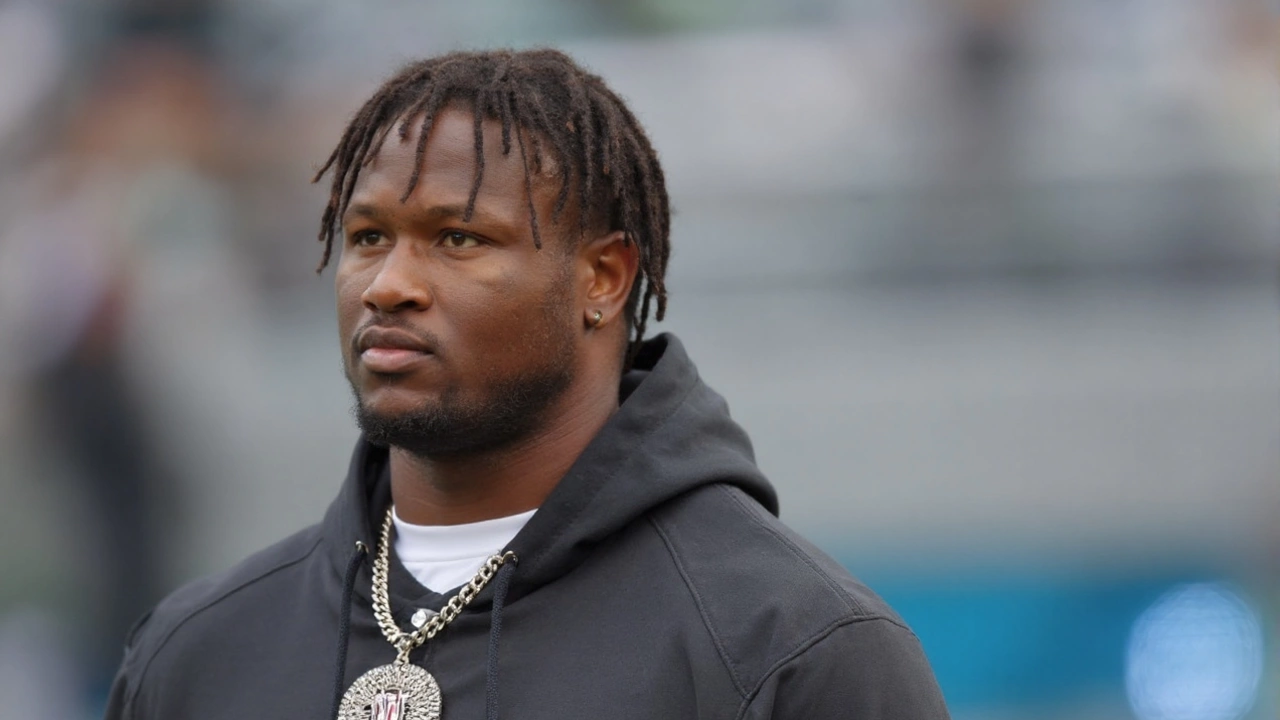
A season opener derailed before a snap
The new NFL season opened with a first: an ejection before a single play from scrimmage. Philadelphia Eagles defensive tackle Jalen Carter was tossed moments into Thursday night’s rivalry game in Dallas after spitting on Cowboys quarterback Dak Prescott during an injury delay following the opening kickoff.
The sequence was messy and fast. Eagles fullback Ben VanSumeren stayed down after the return, trainers came out, and both teams milled near the line. Cameras picked up Carter and Prescott jawing. As they separated, Carter spit on Prescott. An official saw it and flagged it on the spot. Referee Shawn Smith later said in a pool report that an official observed Carter "spitting on an opponent," calling it a disqualifiable foul and a non-football act—language straight out of the rulebook.
The loss was immediate and heavy for Philadelphia, who began their title defense without one of their most disruptive players. Carter, 24, is a core piece of what was the league’s top-ranked defense last season, credited with 4.5 sacks and 12 tackles for loss. He usually sets a tone up front. Instead, he was in the tunnel before the first snap.
Dallas didn’t wait to make it count. On the opening drive, the Cowboys marched six plays for a touchdown, finishing with a short rush at the goal line as the Eagles tried to reshuffle their interior rotation on the fly. Even early in a game, losing a top defensive tackle changes how you rush, how you fit the run, and how aggressive you can be on early downs.
Later in the broadcast, NBC rolled additional angles that showed Prescott walking to the line and spitting on the ground toward the Eagles defense—common enough in the trenches, and not a foul. Carter’s response crossed the line. Spitting on an opponent is an automatic ejection, and the crew treated it that way.
Afterward, Carter didn’t duck it. "It won’t happen again," he told reporters. Prescott said he wasn’t trying to spit on Carter specifically. Both players, in their own way, signaled they knew the moment got away from them.
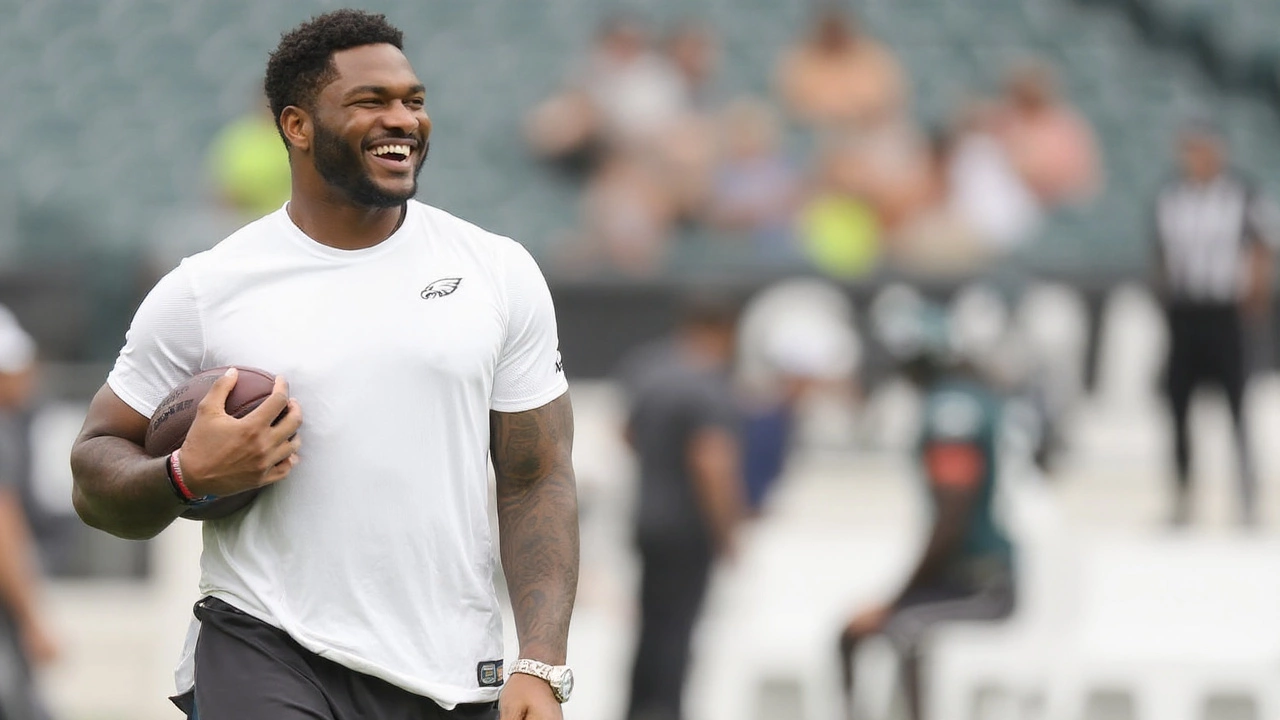
What the rules say and what comes next
The NFL is clear about this kind of conduct. Under Rule 12 (Player Conduct), spitting at an opponent is unsportsmanlike and can be deemed flagrant, which allows an immediate ejection without a prior warning or a second penalty. It’s in the same neighborhood as punching or kicking—things that don’t belong in the game. The league office reviews every ejection early the following week. Fines are common for unsportsmanlike acts, and the league can add a suspension if it sees the act as egregious or repeated.
Spitting incidents are rare, but they leave a mark when they happen. The most notorious example is Bill Romanowski spitting in the face of J.J. Stokes in 1997—an act that drew a fine and still gets dredged up whenever tempers cross the line. Pre-snap ejections are even rarer. The last comparable flashpoint before a season’s first snap that most fans remember came in 2005, when Eagles linebacker Jeremiah Trotter was tossed after a pregame altercation in Atlanta.
For the Eagles, the football impact is straightforward. Carter is more than a pass-rush piece; he forces protection changes and squeezes running lanes. Without him, Philadelphia had to lean harder on the rest of its interior rotation and adjust early-down calls. That ripples to the edges and the second level—less interior push means quarterbacks are more comfortable stepping up, and linebackers see bigger gaps to fill.
For Dallas, the early break simplified the script. With Carter gone, the Cowboys ran the ball on schedule, got into makeable second downs, and let Prescott work clean pockets on the first series. One player rarely decides a game in September, but a player like Carter can decide downs. Losing that leverage before a snap flips leverage for the opponent.
The officiating piece is straight. The crew has broad power to eject for flagrant non-football acts. Spitting is on that list. There’s no gray area about spitting on an opponent versus spitting on the ground; one is part of grimy trench life, the other is personal. That’s where this one landed, and why the flag came out so fast.
What happens now? The standard steps look like this:
- The league’s football operations department will review the video and the officials’ report early this week.
- A fine for unsportsmanlike conduct is likely. If the league views the act as severe, a suspension is possible, though first-time incidents without an extended melee often stop at a fine.
- Both teams will be asked for any additional information, including comments from the sideline and any context the broadcast didn’t show.
Inside the Eagles building, the messaging will be predictable: play on edge, not over it. Coaches lean on that line because it’s the only way to get the violence of the sport without the cost of penalties. Philadelphia built its defense around waves on the line of scrimmage; when one of those waves disappears, the margin for error shrinks.
Prescott, for his part, has been around long enough to ride out a spark like this without letting it hijack the night. Quarterbacks know they’re targets for verbal jabs, late hands, and anything that might throw off timing. He kept playing, and the Cowboys took advantage of the opening series.
The schedule won’t slow down for either side. Early games have an outsized way of shaping narratives even if they don’t define seasons. If the league issues only a fine, Carter will be back on the field quickly with a shorter leash and a louder spotlight. If it goes beyond that, the Eagles’ depth will get stress-tested before the calendar turns cold.
Beyond the headlines, this was a reminder of how thin the line is in a game built on emotion. Spitting will always cross it. The tape will live for a week, the fine will land, and both players will get back to work. The opener will be remembered less for the first snap and more for the one that never came.
Write a comment