
Advertising as a sex worker of colour isn’t just about posting photos and setting rates. It’s about navigating a system built on stereotypes, racial fetishization, and invisible barriers that don’t exist for white peers. You’re not just selling a service-you’re managing how your identity is seen, desired, or dismissed. And if you’re trying to stand out without reinforcing harmful tropes, you’re walking a tightrope every single time you log in to your profile.
Some platforms push you toward templates that reduce your worth to exoticism. You see ads for eurogirlsescort london that market whiteness as the default standard of luxury, while your profile gets buried under filters that favor Eurocentric features. That’s not an accident. It’s algorithmic bias dressed up as market demand. But you’re not powerless. You can reclaim your narrative, even in spaces that try to box you in.
Know Your Audience-But Don’t Cater to Their Fantasy
Who’s actually looking at your profile? Not the people who scroll past because you’re "too ethnic" or "not their type." Not the ones who DM you with questions about your "natural curves" or whether you "do the whole cultural thing." Real clients-those who book consistently-are looking for connection, not caricatures. They want someone who’s confident, clear about boundaries, and doesn’t perform race for their entertainment.
Write your bio like you’re talking to a friend, not a tourist. Say what you offer: discretion, emotional intelligence, punctuality. Mention your interests if they’re genuine-cooking, hiking, poetry. Let your personality lead. Your race is part of you, not your entire pitch. When you stop trying to fit into someone else’s idea of what a woman of colour "should" be, you attract people who see you as a whole person.
Use Language That Grounds You, Not Stereotypes
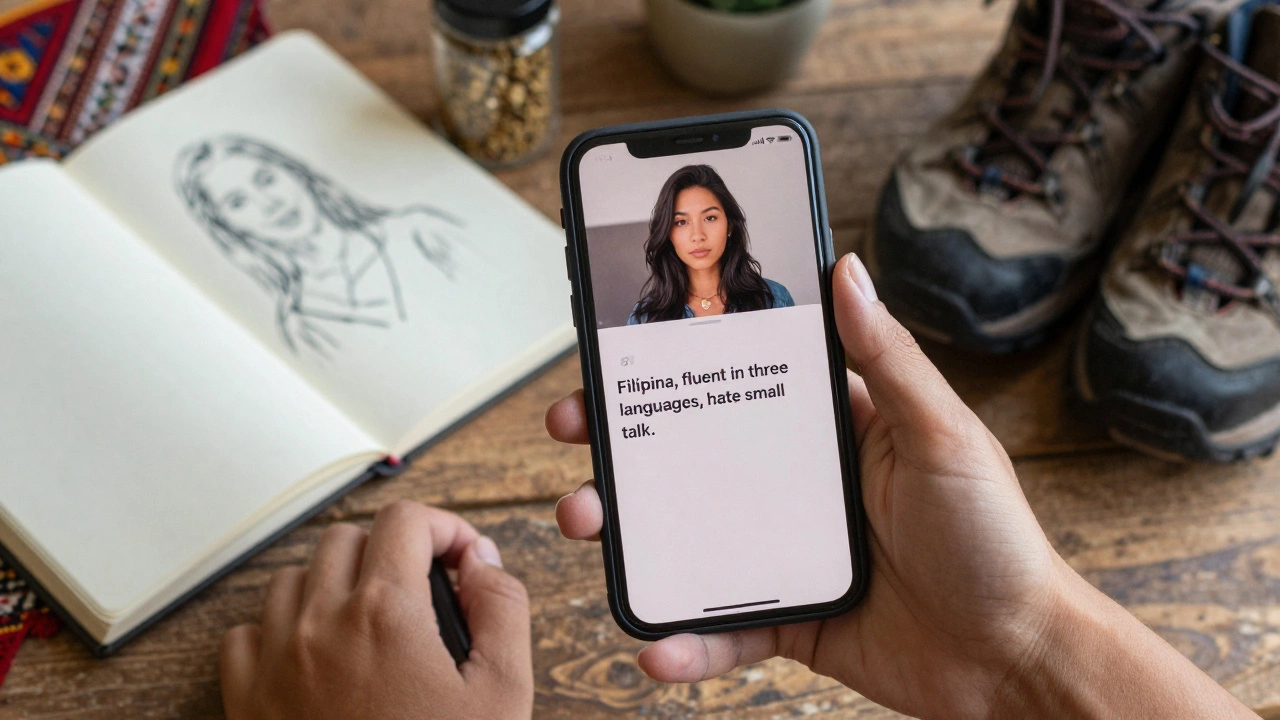
Words matter. Avoid phrases like "exotic dancer," "tropical vibes," or "authentic experience." These aren’t compliments-they’re relics of colonial fantasies. Instead, use language that reflects your truth. "I’m a Black woman from Jamaica who loves quiet nights and strong coffee." Or, "Filipina, fluent in three languages, and I hate small talk." Specificity builds trust. Vagueness invites objectification.
Don’t feel pressured to explain your background unless you want to. You don’t owe anyone your history. But if you choose to share, frame it on your terms. Say it like you’re sharing a favorite recipe, not a cultural exhibit.
Photos Are Not Proof of Your Race-They’re Proof of Your Power
Stop taking photos that try to prove you’re "ethnic enough." No need to wear traditional clothing unless you love it. No need to pose in front of a flag or hold a spice rack. That’s not representation-that’s performance. Your skin tone doesn’t need validation through props. A simple, well-lit photo of you smiling, dressed how you feel most like yourself, says more than any cliché ever could.
Use natural lighting. Wear clothes that make you feel powerful. Choose backgrounds that reflect your real life-a cozy apartment, a local café, a park bench. These aren’t just aesthetic choices. They’re political acts. You’re saying: I am not a fantasy. I am here, real, and I deserve to be seen on my own terms.
Platforms Are Not Neutral-Choose Wisely
Not all advertising spaces treat you equally. Some sites have hidden filters that push out profiles with darker skin tones. Others allow clients to search by "ethnicity"-a feature that should never exist. You have the right to walk away from platforms that commodify your race. There are smaller, community-run directories that don’t ask you to pick a racial category at all. They focus on services, safety, and reviews.
If you’re using a big platform, document everything. Screenshot your visibility stats. Track how often your profile appears in searches versus others with similar rates and photos. If you notice a pattern-your profile drops after you update your bio to include your heritage-that’s not coincidence. That’s discrimination. And you’re not alone in noticing it.
Build Community, Not Just Clients
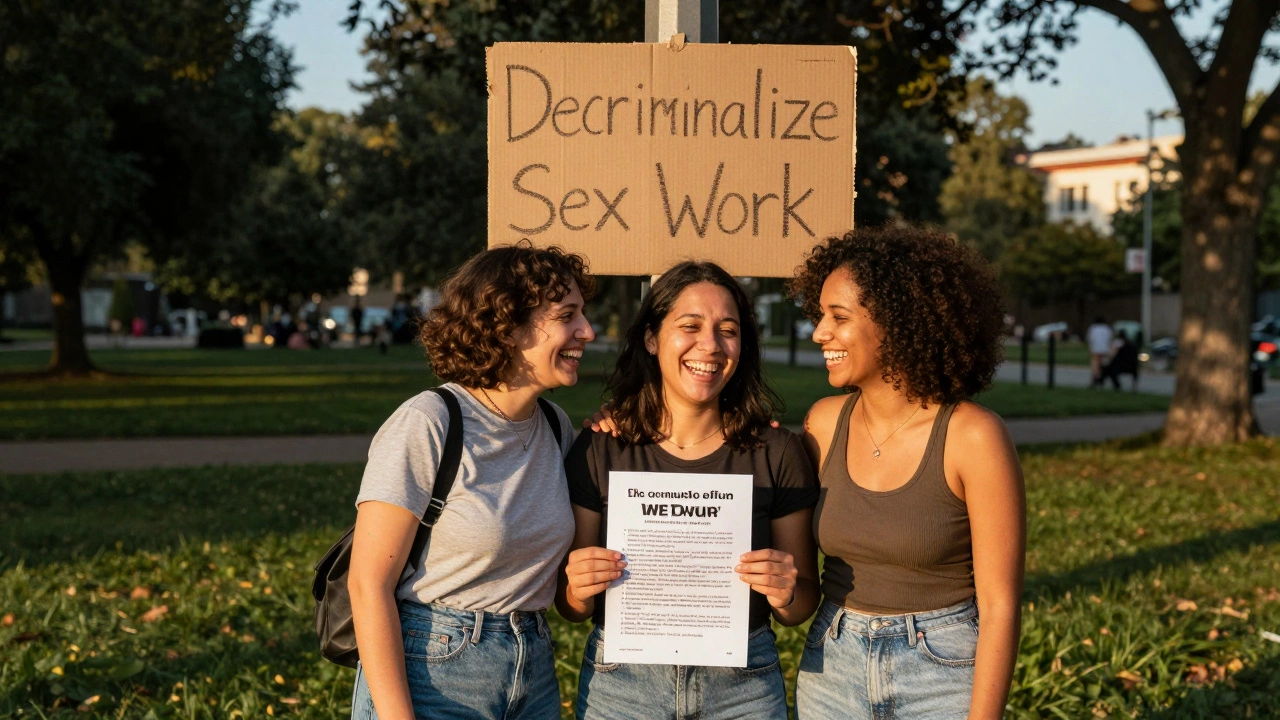
You don’t have to do this alone. There are networks of sex workers of colour who share tips, warn about dangerous clients, and celebrate each other’s wins. Join forums, attend virtual meetups, follow activists who talk about decriminalization and racial justice in sex work. These spaces aren’t just support groups-they’re training grounds for turning survival into power.
When you connect with others who’ve faced the same biases, you stop internalizing the message that you’re "too much" or "not enough." You start seeing your identity as an asset, not a liability. And when you feel strong, your advertising changes. You stop apologizing. You stop shrinking. You start setting prices that reflect your worth, not someone else’s prejudice.
When Clients Bring Up Race-Here’s How to Respond
Some clients will ask questions like: "Do you do the whole cultural thing?" or "Are you into that African vibe?" These aren’t innocent questions. They’re probes for fetishization. You have every right to shut them down.
Try this: "I’m here for the service, not the stereotype. If that’s not what you’re looking for, I’m happy to refer you elsewhere." Or: "My culture isn’t a service option. Let me know if you’d like to book based on what I actually offer."
Don’t feel guilty for being blunt. You’re not being rude-you’re setting boundaries. The right clients will respect it. The ones who don’t? They’re not your audience anyway.
Turn Your Visibility Into Advocacy
Every time you post a photo without apologizing for your skin tone, every time you charge what you’re worth without downplaying your race, you’re changing the game. You’re not just advertising-you’re challenging the industry’s unspoken rules.
Consider sharing your story anonymously on social media or writing for platforms that amplify marginalized voices in sex work. You don’t need to be famous to make an impact. Just be consistent. Be real. Be unapologetic.
There’s power in saying: I am a sex worker of colour. I am not a trend. I am not a fetish. I am a person who deserves safety, respect, and fair pay. And if that makes some people uncomfortable? Good. That’s how change starts.
And yes-some of you will still use platforms like elite escort london because they offer reach. That’s okay. But don’t let their branding define your worth. Your value isn’t in the name of the site. It’s in your courage to show up as yourself, even when the world tries to make you invisible.
There’s a quiet revolution happening in sex work right now. Women of colour are taking back the narrative. They’re setting rates higher than their white peers. They’re refusing to be labeled. They’re building communities that protect each other. You’re part of that movement, whether you realize it or not.
So next time you update your profile, ask yourself: Am I advertising to fit in-or to stand out on my own terms?
Choose standing out.
And if you ever need a reminder of what that looks like, just look in the mirror. That’s the only ad you’ll ever need.
Write a comment