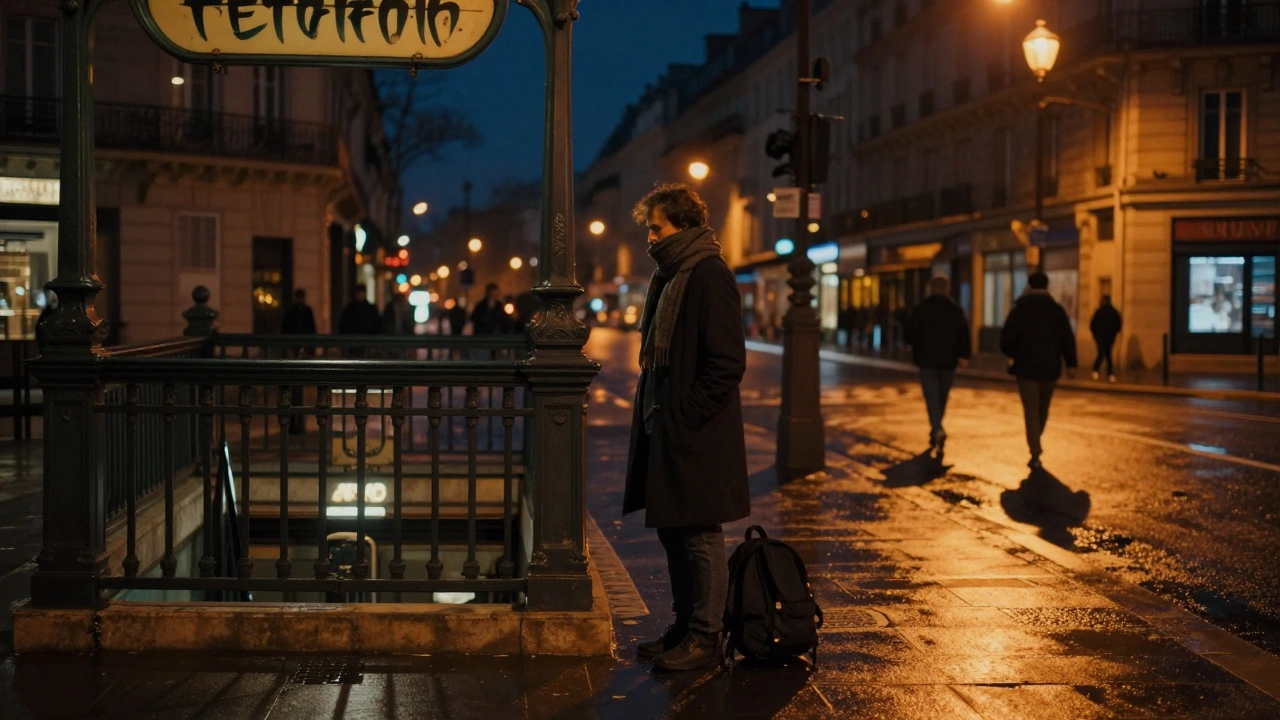
Street prostitution in France isn’t just a statistic-it’s a visible part of urban life in cities like Paris, Lyon, and Marseille. Especially in city centers, you’ll see people waiting near metro exits, under bridges, or along quiet side streets after dark. This isn’t random. It’s a response to economic pressure, migration patterns, and the legal gray zone France occupies when it comes to sex work. While buying sex is legal, organizing it, pimping, or profiting from someone else’s work is a crime. That’s why many individuals working on the streets operate alone, with no manager, no agency, and no safety net.
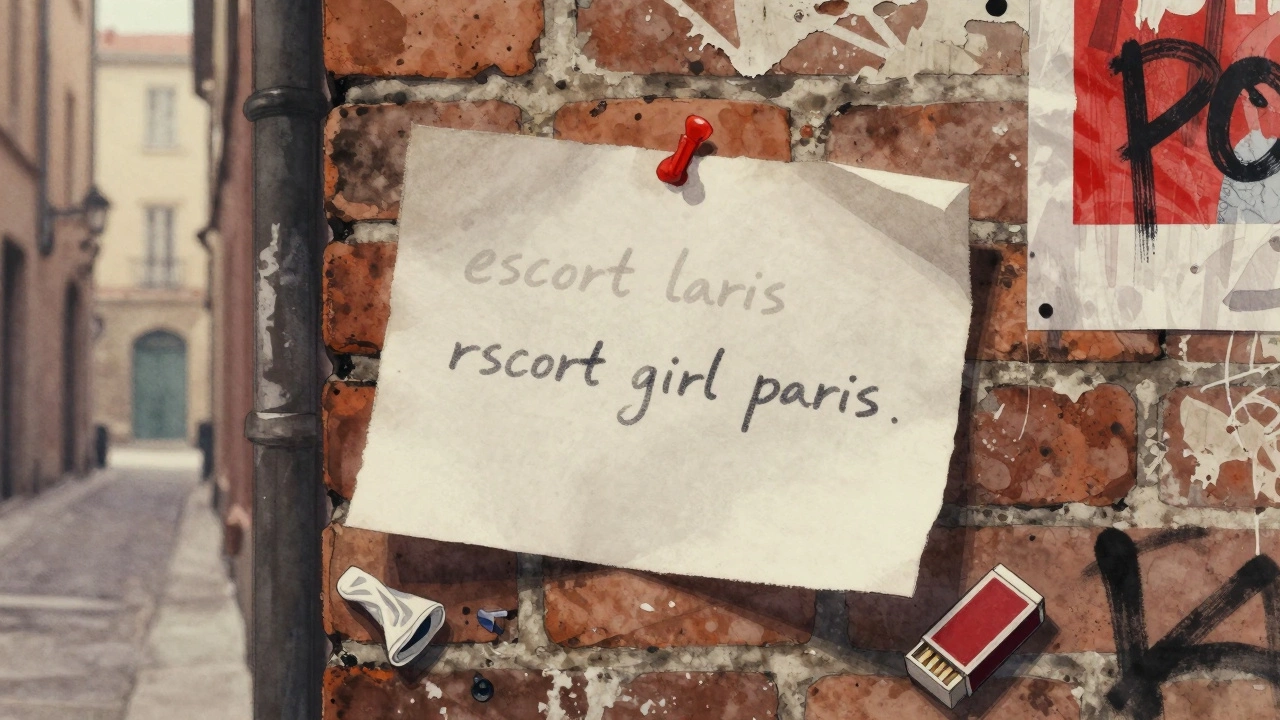
Some of these individuals connect with clients through online platforms or word of mouth. A few even use coded language or social media to advertise discreetly. You might hear terms like escort laris, rscort girl paris, or escort guirl paris floating around in online forums or messaging apps. These aren’t official listings-they’re informal, often misspelled, and sometimes used to bypass content filters. But they point to a real demand: people seeking companionship, intimacy, or simply a temporary escape, often outside the formal economy.
Why street-based sex work thrives in city centers
Paris isn’t unique. Cities across Europe have seen a rise in street-based sex work since the pandemic. In France, rent prices in central districts have skyrocketed. Many people who end up on the streets didn’t choose this path-they were pushed into it by housing insecurity, lack of documentation, or family breakdowns. The city center offers foot traffic, anonymity, and access to public transit. It’s also where tourists and locals alike walk past without looking. That invisibility is part of the problem.
Police don’t arrest sex workers in France-they arrest clients. Since the 2016 law, buying sex became punishable by fine and mandatory education. But enforcement is uneven. In some neighborhoods, police turn a blind eye. In others, they conduct sweeps that push workers into more dangerous areas. The result? More isolation, less access to health services, and fewer chances to leave the trade.
The reality behind the names: Who are these people?
When you see someone standing alone near Place de la République or the Champs-Élysées, you’re not seeing a stereotype. You’re seeing a human being with a story. Some are from Eastern Europe, others from West Africa or Latin America. A few are French citizens who lost their jobs or housing. Many are survivors of abuse or trafficking. Some are simply trying to survive until they can get a visa, save money, or find another way out.
There’s no single profile. Some work nights only. Others are available during the day. A small number have steady clients they meet regularly. A few even have part-time jobs-cleaning, delivery work, or tutoring-on top of sex work. The labels people use online, like rscort girl paris or escort guirl paris, are often self-created to sound less clinical, more personal. They’re trying to stand out, to be seen as more than a transaction.
How clients find them-and what they’re really looking for
Most clients don’t find workers through glossy websites or agencies. They use encrypted apps, local Facebook groups, or Reddit threads. Some stumble upon them by accident. Others search for specific terms hoping to find someone who speaks their language or matches their preferences. The misspellings-like escort laris instead of escort Larisa-are often deliberate. They help avoid automated detection.
What do these clients want? For some, it’s physical intimacy. For others, it’s conversation, companionship, or a sense of being understood. Many are lonely. Some are travelers who feel disconnected in a foreign city. A few are older men who feel invisible in society. The emotional need is often deeper than the physical one. That’s why some workers report forming real, if temporary, bonds with clients.
Health, safety, and the lack of support
France has public health services, but they’re not always accessible to sex workers. Many don’t have health insurance. Others fear reporting abuse because they’re undocumented. Clinics in Paris do offer free STI testing and condoms, but outreach is inconsistent. Organizations like Le Refuge and La Maison des Femmes provide shelter and legal aid, but their capacity is limited.
Violence is common. Workers report being robbed, assaulted, or threatened by clients. Some are harassed by police during raids. Others face discrimination from landlords, banks, or even family members. Without legal protection or social support, leaving the streets is nearly impossible.

What’s changing-and what’s not
There’s growing pressure to change the law. Advocates argue that decriminalizing sex work entirely would give workers more control, better access to healthcare, and the ability to report crimes without fear. Others believe the current system protects women by targeting buyers. The truth is, neither side has solved the core issue: poverty and lack of opportunity.
Some cities are experimenting with harm reduction. In Marseille, outreach teams hand out hygiene kits and information about legal aid. In Lyon, a nonprofit runs a mobile van that offers free showers and phone charging. These small efforts matter. But they don’t replace policy change.
What you can do if you’re concerned
If you’ve seen someone on the street and wondered how to help, don’t just walk past. You don’t need to offer money. You can carry a small card with local helpline numbers: the national sex worker support line (0800 222 000), or the number for Médecins du Monde. If you’re a tourist, avoid engaging unless you’re prepared to listen. Don’t take photos. Don’t assume you know their story.
Support organizations that work directly with sex workers. Donate to groups that provide housing, legal aid, or job training. Advocate for policies that treat sex work as a labor issue, not a moral one. Change won’t come from shaming or policing. It will come from recognizing the humanity behind the labels-whether they’re written correctly or not.
Behind every mention of escort guirl paris, every whispered name in a dark alley, there’s a person trying to survive. The system hasn’t figured out how to help them-not yet. But awareness is the first step.
Write a comment